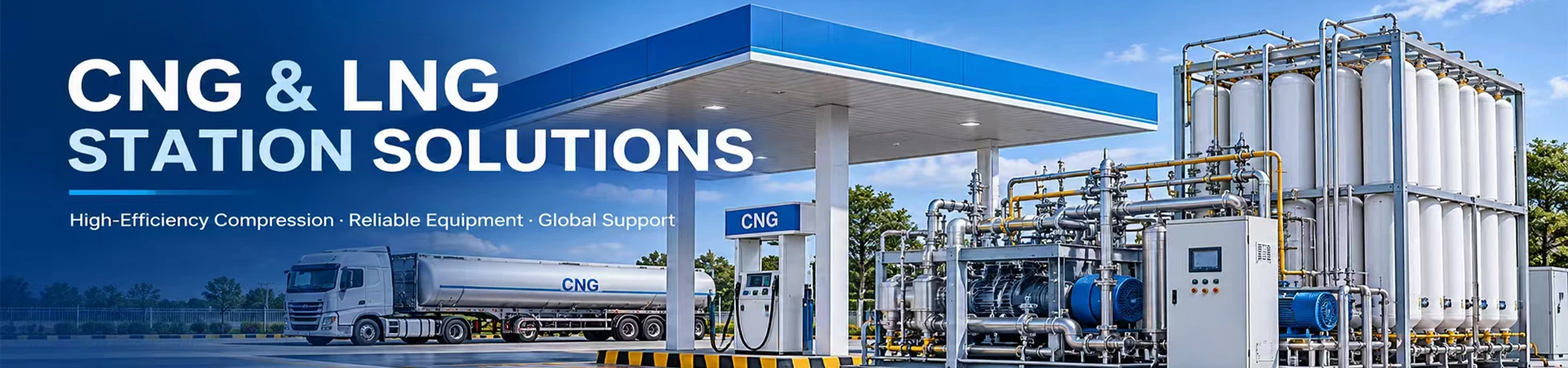
LNG, or Liquefied Natural Gas-the full name of which is *Liquefied Natural Gas*-is produced by subjecting natural gas to rigorous purification processes to remove impurities such as CO2, sulfur compounds, hydrocarbons, and water. It is then cooled to an extremely low temperature of -162°C. Under these conditions, the natural gas transitions from a gaseous state to a liquid state; its volume shrinks to just 1/625th of its original size, while its weight is approximately 45% that of an equal volume of water. LNG fueling stations are facilities designed to provide liquefied natural gas refueling services for vehicles.
They are primarily categorized into four types:
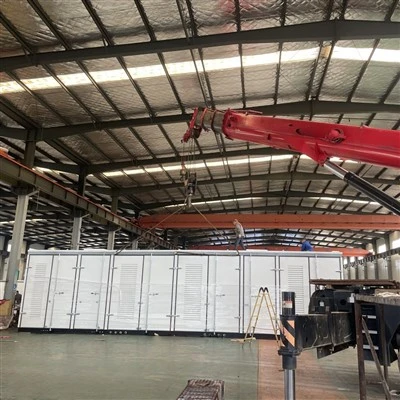
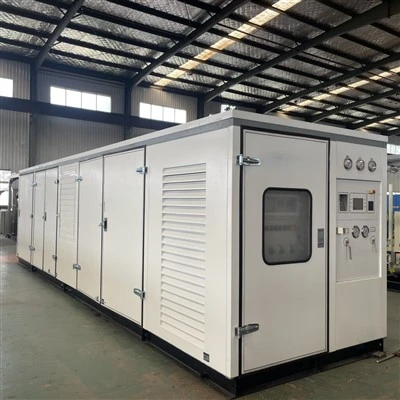
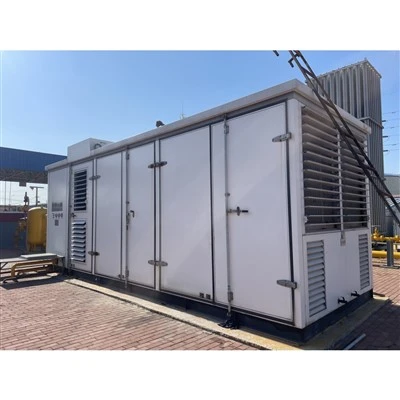
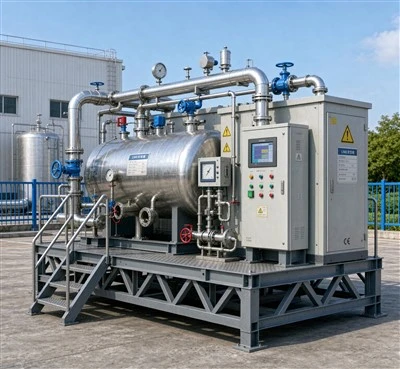
Skid-mounted Stations: This type of station features an integrated design, facilitating ease of installation and relocation.
Standard Stations: This is the most common type, characterized by fixed infrastructure and comprehensive refueling equipment.
L-CNG Stations: L-CNG refers to a hybrid system combining Compressed Natural Gas (CNG) and Liquefied Natural Gas (LNG), offering refueling services for both fuel types.
Mobile Skid-mounted Stations: These stations offer enhanced flexibility, allowing them to be transported and deployed to specific locations where refueling services are required.
Varying in design and functionality, these LNG fueling stations effectively meet the diverse demands for liquefied natural gas across different regions and application scenarios.