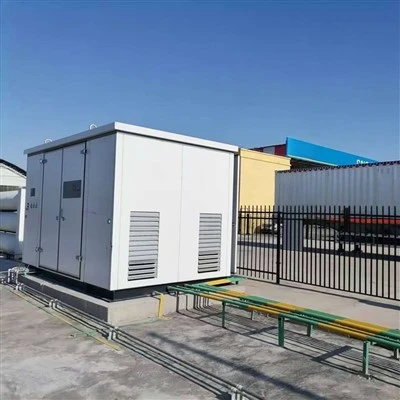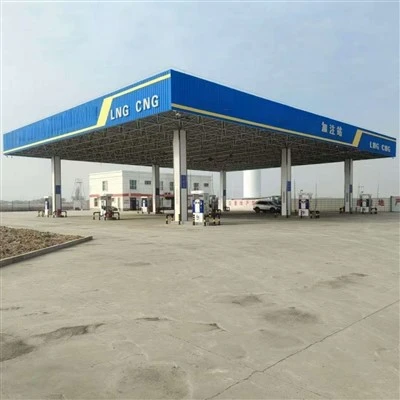

Introduction
Generally, based on whether a natural gas pipeline is present at the station site or in the immediate vicinity, stations can be classified into three types: Conventional Stations, Mother Stations, and Daughter Stations.
Conventional Station Configuration
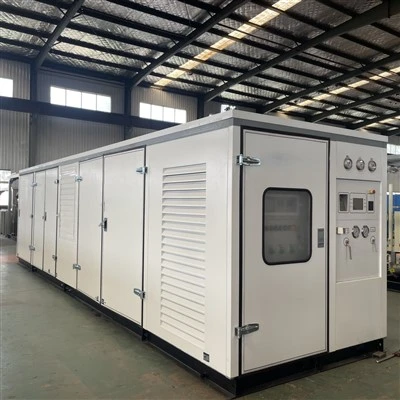
A Conventional Station is constructed in locations where a natural gas pipeline passes through. It draws gas directly from the pipeline, with an inlet pressure of 0.4 MPa. The natural gas undergoes processes such as desulfurization and dehydration before entering a compressor for pressurization, reaching a post-compression pressure of 25 MPa. It then flows into fueling dispensers to refuel vehicles. Typically, the fueling capacity of a Conventional Station ranges from 600 to 1,000 Nm³/h (Standard Cubic Meters per Hour).
Mother Station Configuration
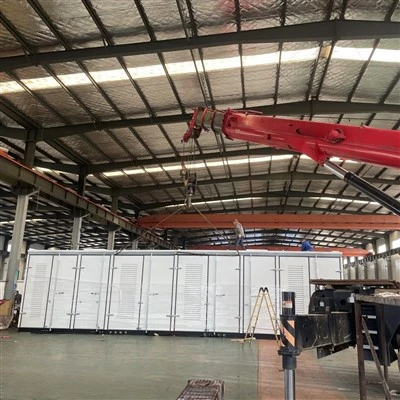
A Mother Station draws gas directly from a natural gas pipeline, with an inlet pressure ranging from 1 to 1.5 MPa. After undergoing processes such as desulfurization and dehydration, the gas enters a compressor for pressurization. The compressed gas is then transported via specialized tank trucks-equipped with high-pressure storage cylinders (25 MPa)-to Daughter Stations to refuel vehicles. A Mother Station also serves the dual function of a Conventional Station. Mother Stations are typically constructed in the vicinity of urban city gate stations, and their fueling capacity ranges from 2,500 to 4,000 Nm³/h.
Daughter Station Configuration
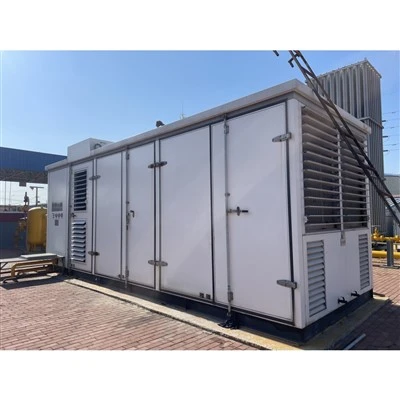
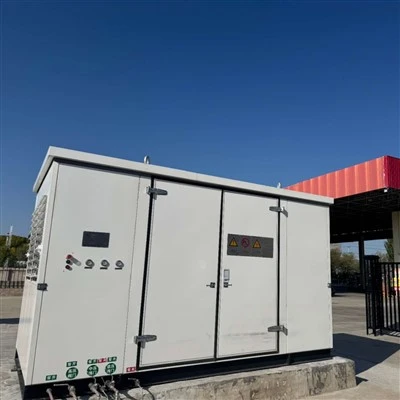
A Daughter Station is constructed in locations where no natural gas pipeline exists in the immediate vicinity of the fueling site. These stations are typically built within urban areas to facilitate vehicle refueling, or in the industrial zones of towns and villages lacking laid gas pipelines, where they serve to supply natural gas as an energy source. The Mother Station utilizes compressors to pressurize and store natural gas; specialized transport vehicles then convey this 25 MPa Compressed Natural Gas (CNG) to the Daughter Station. The Daughter Station, in turn, refuels CNG-powered vehicles. For Daughter Stations located in industrial zones, the process flow is briefly as follows: Low- or medium-pressure natural gas passes through a compressor, is boosted to a pressure of 20–25 MPa, and is then compressed into specialized steel cylinders or tube bundles mounted on a skid-based transport trailer. Upon arrival at the Daughter Station, the trailer connects to a gas unloading column; the gas passes through an unloading system and enters the CNG pressure-regulating equipment. A pressure-reduction skid then lowers the high-pressure natural gas to the pressure required by the end user-typically 0.2–0.4 MPa-before it enters the distribution pipeline network to supply natural gas to consumers.