
Introduction
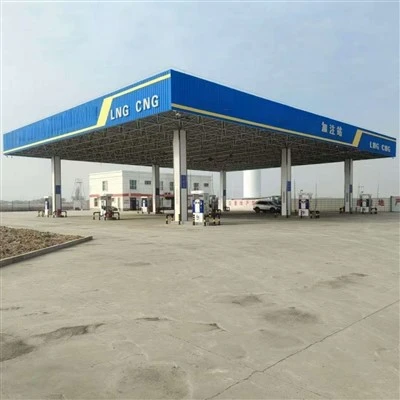
The key technologies involved in a CNG refueling station can be categorized into several distinct systems: the compression system, natural gas pretreatment system, storage and dispensing system, and control system.
Natural Gas Compression System
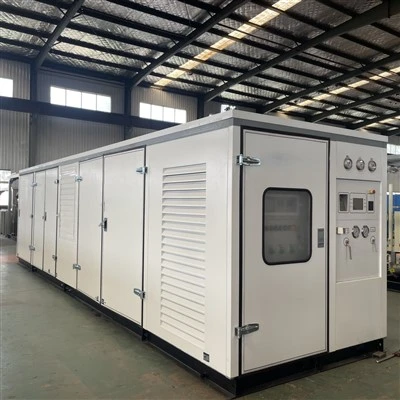
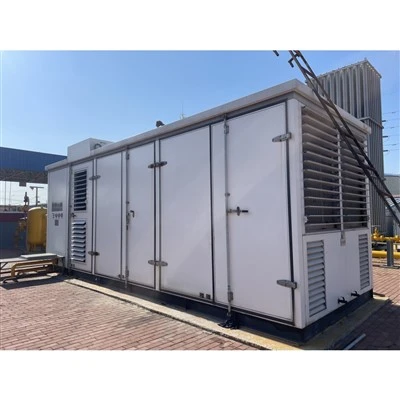
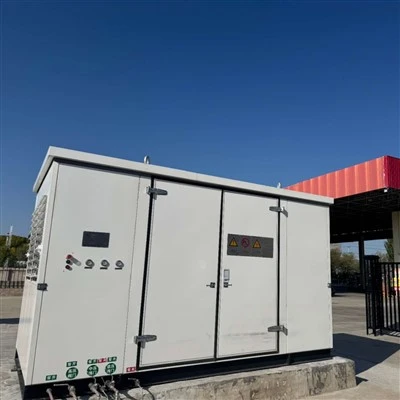
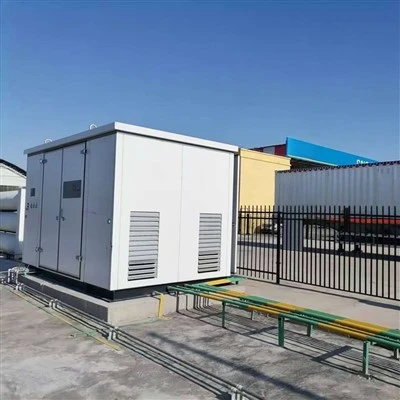
The natural gas compression system primarily consists of the main compressor unit, an intake buffer tank, a cooling system, and a lubrication system. The main compressor unit is the most critical component-serving as the "heart" of the refueling station-and its performance directly determines the operational reliability and economic efficiency of the entire facility. CNG refueling stations typically employ reciprocating compressors, which are characterized by high discharge pressures and relatively low displacement volumes. Based on the lubrication method, compressors are broadly classified into two types: oil-lubricated and oil-free. For oil-lubricated systems, an oil removal device must be installed downstream of the final discharge port.
The discharge pressure for compressors used in refueling stations is typically 25 MPa. While some units may reach slightly higher pressures-up to 28 MPa-and a few manufacturers offer compressors capable of reaching 32 MPa, technical analysis indicates that a discharge pressure of 25 MPa offers the most optimal balance of economic efficiency, reliability, and safety. The intake pressure typically ranges from 0.035 to 9 MPa. The compressor's displacement capacity can be selected to suit the specific scale of the station, ranging from 16 to 2,000 m³/h, with a common capacity range of 200 to 300 m³/h.
Natural Gas Pretreatment System (Including Purification and Pressure Regulation)
Before or after compression, the natural gas entering the refueling station must undergo purification and drying processes-specifically, desulfurization, hydrocarbon removal, and dehydration. Desulfurization involves removing acidic gases-such as hydrogen sulfide-from the natural gas to prevent corrosion of equipment and pipelines, as well as to prevent "hydrogen embrittlement" in steel gas cylinders. Hydrocarbon removal involves extracting light hydrocarbons from the natural gas to ensure that the combined content of ethane and heavier alkanes remains below 3%; this prevents abnormal ignition and combustion within the vehicle's engine. Dehydration involves removing moisture from the natural gas to prevent ice blockages within the gas supply system during the depressurization and cooling process.
Natural gas dehydration is the most critical stage of the pretreatment process. CNG refueling stations typically utilize dual-tower dryers for this purpose. Depending on the specific location of the dehydration unit within the station's layout, these systems can be categorized into three types: low-pressure, medium-pressure, and high-pressure dehydration. If the technical and manufacturing issues regarding the quality of fittings and valves can be successfully resolved, the high-pressure dehydration method-given its compact structure and effective dehydration performance-represents a highly viable solution for gas dehydration.
After undergoing purification and drying treatments, natural gas must meet specific standards for vehicular use before it can be charged into the storage cylinders at a refueling station, sold directly, or dispensed into the fuel tanks of CNG-powered vehicles. my country has established a national standard for "Compressed Natural Gas for Vehicles" (GB 18047-2000). This standard imposes stringent limits on the sulfur and water content of vehicular CNG, stipulating that the hydrogen sulfide content must be less than 15 mg/m³ and the water dew point must be at least 5°C below the lowest ambient temperature encountered at the maximum operating pressure.
Control System
The primary function of the control system is to regulate the normal operation of the refueling station's equipment, monitor key operating parameters, and automatically trigger alarms or initiate emergency shutdowns in the event of equipment failure. Control systems in foreign-manufactured refueling equipment typically utilize Programmable Logic Controllers (PLCs). This approach offers high reliability, enables fully automated equipment operation, and facilitates remote data transmission to a central control room-thereby enabling unmanned station operation and significantly reducing the physical workload of station operators.
Storage and Dispensing System
To prevent frequent cycling of the compressor and to ensure a continuous gas supply is available even when the compressor is not actively running, CNG refueling stations must be equipped with gas storage facilities. A typical design integrates the storage and dispensing systems via a priority control panel; this configuration manages the sequence of gas flow to ensure both efficient storage utilization and rapid vehicle refueling. Generally, refueling stations employ a tiered storage strategy, categorizing the gas storage cylinder banks into high-pressure, The medium-pressure and low-pressure cylinder banks are automatically controlled during their filling and dispensing processes by a priority control panel. During the filling operation, the high-pressure bank is filled first; once the pressure in the high-pressure bank reaches a specific threshold, the medium-pressure bank begins to fill. Subsequently, when the pressure in the medium-pressure bank reaches its specific threshold, the low-pressure bank begins to fill. Thereafter, all three cylinder banks fill simultaneously until the maximum storage pressure is reached, at which point the filling process ceases. During the dispensing operation, gas is drawn first from the low-pressure bank; once the pressure in the low-pressure bank drops to a specific threshold, gas begins to be drawn from the medium-pressure bank. Subsequently, when the pressure in the medium-pressure bank drops to its specific threshold, gas begins to be drawn from the high-pressure bank. Thereafter, gas is drawn simultaneously from all three cylinder banks until the pressure within the storage banks equalizes with the maximum storage pressure of the vehicle's onboard cylinders, at which point dispensing ceases. If additional vehicles still require refueling, gas is drawn directly from the compressor's discharge line; once the vehicle refueling is complete, the compressor resumes filling the three storage banks according to the established filling sequence before shutting down. The advantage of this operational mode is that it ensures the storage banks are filled to their maximum capacity-thereby enhancing their utilization efficiency-while simultaneously facilitating the fastest possible refueling speeds for vehicles.