
Introduction
For bus operators, logistics fleets and transport investors in emerging markets, fuel represents the largest ongoing operating expense. Volatile global diesel prices often squeeze profit margins and make long‑term budgeting difficult. Compressed Natural Gas (CNG) has emerged as a practical alternative fuel, but the real financial benefit hinges entirely on reliable, cost‑effective CNG refuelling infrastructure.
A properly selected CNG filling station solution can cut your per‑kilometre fuel spend, stabilise monthly outgoings, and deliver measurable return‑on‑investment for medium‑to‑large fleets. This article breaks down how CNG infrastructure shapes your total fuel costs, compares different station types, and explains why hydraulic‑driven CNG daughter stations offer unique economic advantages for regions without pipeline gas supply.
CNG vs Diesel: Core Fuel‑Cost Differences
In most emerging‑market regions, CNG delivers 30–50 % lower fuel expense compared with diesel when measured by equivalent energy output (DGE‑Diesel Gallon Equivalent). Two major financial benefits stand out:
1:Lower per‑unit fuel price
Natural gas is frequently priced significantly below diesel. For fleets covering high annual mileage, these per‑unit savings accumulate rapidly. A single heavy‑duty truck travelling 100 000 km per year can generate thousands of US‑dollars in annual fuel savings after switching to CNG.
2:Improved price stability
Diesel prices swing sharply due to global crude‑oil markets, geopolitics and import costs. Natural‑gas pricing depends far more on local domestic supply, shielding fleet operators from sudden price surges and enabling more predictable monthly budget planning.
However, these theoretical savings cannot be realised without suitable on‑site or local refuelling infrastructure. Without accessible CNG filling stations, fleet operators cannot take advantage of cheaper gas prices. The type of station you deploy directly defines your real‑world net savings.

How Different CNG Station Types Shape Your Fuel Expenditure
Not all CNG filling stations deliver identical operating economics. Your choice between mother station, standard station and hydraulic‑driven daughter station affects capital outlay, running power consumption and final delivered gas cost.
1. CNG Mother Station & Pipeline‑connected Standard Station
Mother stations and pipeline‑fed standard stations connect directly to local natural‑gas pipelines. They compress gas on‑site up to 25 MPa.
Pros: Low raw‑gas purchase cost, high daily refuelling throughput for large fleets.
Cons: Require existing pipeline infrastructure; high upfront civil‑work investment; large power draw for reciprocating compressors raises electricity bills.
Best suited for locations with mature gas‑pipeline networks.
2. Hydraulic‑Driven CNG Daughter Station (No pipeline required)
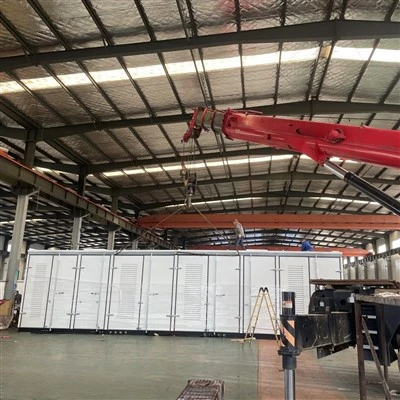
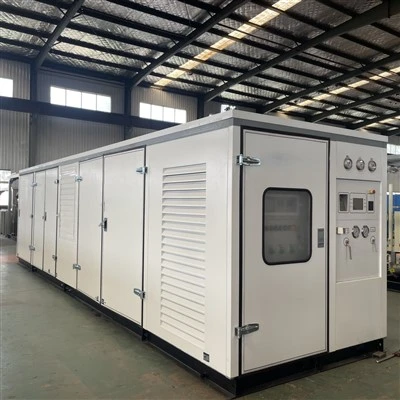
For remote sites, mining zones, and cities without natural‑gas pipeline access, the hydraulic‑driven CNG daughter station is a game‑changing infrastructure option. Gas arrives via high‑pressure tube trailers transported from distant mother stations.
Economic impacts on your fuel cost:
Lower power consumption: Eliminates power‑hungry reciprocating gas compressors, cutting site electricity expenditure.
Higher gas recovery rate from tube trailers: Traditional compressor‑type daughter stations leave substantial residual gas trapped inside trailers. Hydraulic liquid‑displacement technology extracts much more gas from each trailer, lowering your effective cost per cubic‑metre of consumed CNG.
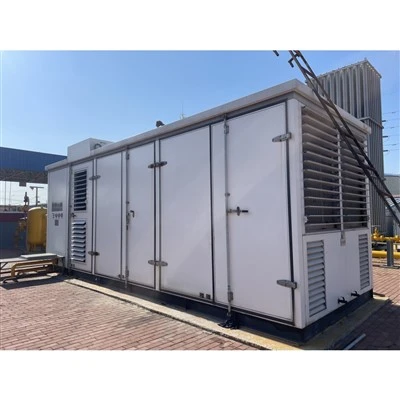
Fast deployment and reduced civil construction work: Skid‑mounted design minimises building and foundation costs, shortening project payback cycles.
The main consideration: you will pay transport costs for CNG delivered by tube trailer. Even so, in many African and Southeast‑Asian markets, total delivered CNG price remains far below retail diesel prices, creating strong net savings for fleets.
Real‑World ROI: Calculating When a CNG Station Makes Financial Sense
To assess true profitability, fleet managers must analyse total cost of ownership (TCO), not only fuel price differences.
Items you need to include in your calculation:
1:Capital investment: Station hardware, installation and civil‑engineering costs. Hydraulic‑driven daughter stations enjoy advantages here thanks to modular skid‑mount construction.
2:Ongoing operating costs: Electricity, routine maintenance, inspection and spare‑parts. Hydraulic daughter stations have fewer wearing moving parts compared with piston‑compressor systems, reducing long‑term service spend.
3:Vehicle‑related costs: Higher purchase price for new CNG vehicles or conversion expense for existing diesel trucks.
Fuel savings volume: The larger your annual fuel consumption, the faster you can offset infrastructure investment. For fleets of 15+ heavy‑duty 4:vehicles running consistent daily mileage, payback periods of 3‑5 years are common in favourable market conditions.
Practical example: A 25‑vehicle urban bus fleet switching from diesel to CNG. With 40 % average fuel cost reduction, cumulative annual savings can quickly cover the investment for a hydraulic‑driven CNG daughter station, even when including tube‑trailer gas transportation fees.
Hidden Cost Risks to Avoid for CNG Station Projects
Many operators underestimate factors that can erode expected fuel‑cost savings:
Poor gas pretreatment: Inadequate dehydration and desulfurization shorten equipment service life and increase repair expenses. Always include complete gas‑processing modules within your station scope.
Inadequate site maintenance support, especially for remote locations. Choose equipment suppliers offering remote video technical support plus on‑demand overseas field service.
Mismatch between station capacity and fleet refuelling demand: Over‑sizing the station raises unnecessary capital costs; under‑sizing creates refuelling bottlenecks for your vehicles.
Hydraulic‑Driven Daughter Station: Best Fit for No‑Pipeline Markets
Where municipal gas pipelines do not yet exist, building a pipeline‑connected standard station is impossible. In these scenarios, the hydraulic‑driven CNG daughter station delivers the most balanced economic profile:
✅ Realise 30‑45 % fuel‑cost reduction versus diesel
✅ Low on‑site power demand
✅ Maximize gas usage from every incoming tube trailer
✅ Short installation time with minimal civil construction
✅ Suitable for private depot refuelling or small‑scale public CNG filling points
CNG filling stations are far more than hardware for refuelling vehicles: they define whether you can capture CNG's fuel‑saving potential. Where natural‑gas pipelines are present, mother or standard stations deliver excellent large‑volume economics.