
From Natural Gas Source to Vehicle Fueling: How Does a CNG Station Operate? 🚛⛽
A standard CNG station is not only a dispenser. It is a complete energy supply system designed to deliver compressed natural gas safely and efficiently to vehicles.
A typical CNG facility covers several core functional modules:
Natural gas supply
Natural gas is first supplied from the source, often through pipeline networks. This is the starting point of the entire CNG fueling process.
CNG tube trailer transportation
In areas without pipeline infrastructure, CNG can be transported using tube trailers. These high-pressure trailers deliver natural gas to daughter stations, making CNG accessible in remote or off-grid locations.
Gas storage & pressure management
Once on site, the gas is stored in high-pressure cylinders or storage banks. Pressure management ensures the gas remains stable, safe, and ready for vehicle dispensing.
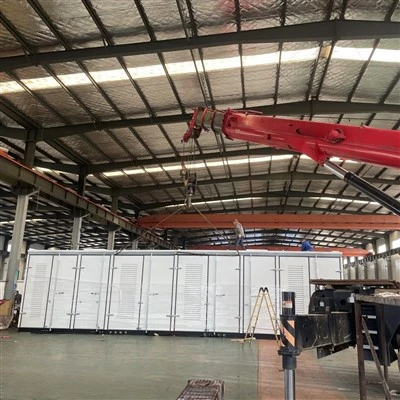
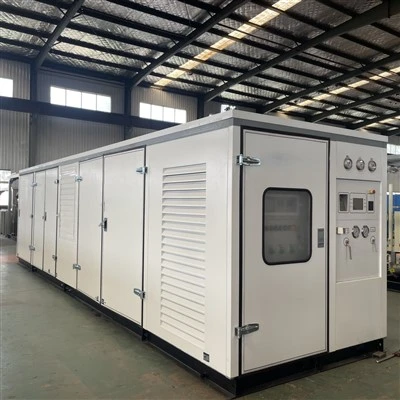
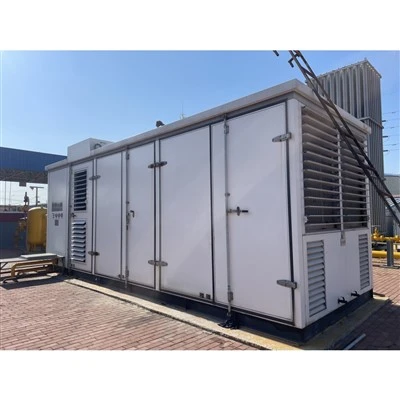
Compression system
The compression system increases natural gas pressure to around 250 bar, reducing its volume so it can be efficiently stored and used as vehicle fuel. This is one of the most critical components in a CNG station.
CNG dispensing for vehicles
Finally, the high-pressure CNG is dispensed into vehicle tanks through dedicated nozzles and dispensers. The system controls flow rate and pressure to ensure safe and fast refueling.
For areas without pipeline infrastructure, CNG daughter stations provide a practical solution. They rely on tube trailers to bring compressed natural gas to the site, enabling clean energy delivery wherever it is needed.
In short, a CNG station is more than a fueling point. It is an integrated system that combines gas supply, transportation, compression, storage, and dispensing to keep commercial vehicles running on cleaner, lower-carbon fuel.