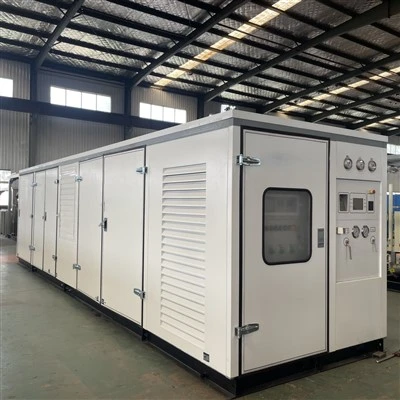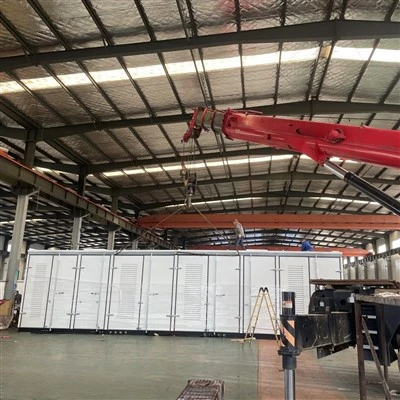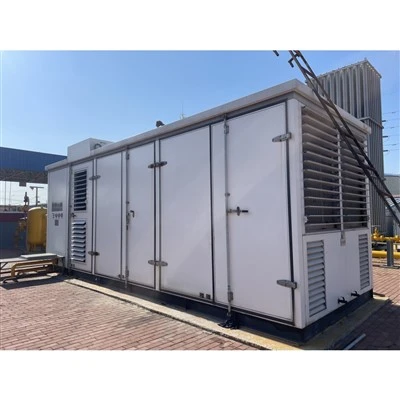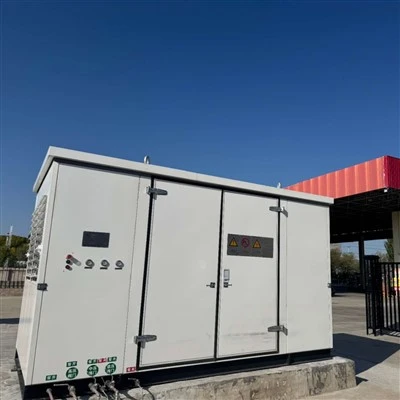

Three Classifications:
Rapid-Fill Type: Serves 10–20 vehicles.
Standard (Slow) Fill Type: Serves 10–20 vehicles.
Hybrid Type (a combination of the two): Serves 20–30 vehicles.
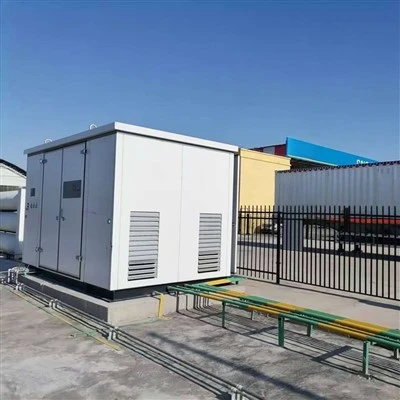
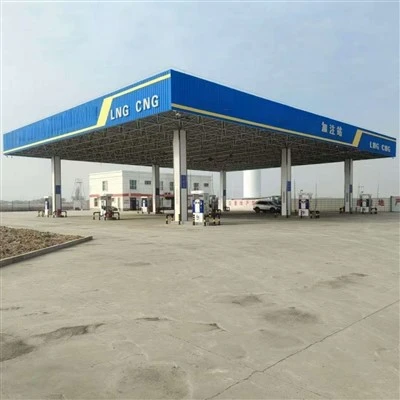
A rapid-fill station operates much like a standard gasoline station; typically, light trucks or passenger cars can complete the refueling process within 3 to 7 minutes. The essential equipment required for a typical rapid-fill station includes a natural gas compressor, a high-pressure cylinder bank, control valves, and dispensing units. Auxiliary equipment includes a single-tower, binder-free, regenerable molecular sieve dryer and flow meters.
Rapid-fill stations primarily utilize the high pressure stored within the cylinder bank-in conjunction with the compressor-to rapidly fill the vehicle's onboard cylinders. The high-pressure cylinder bank typically consists of 3 to 12 standard cylinders, generally divided into three groups: high-pressure, medium-pressure, and low-pressure. The valve assembly and control panel comprise three subsystems: the Priority System, which controls the sequence in which the compressor supplies gas to the various cylinder groups; the Emergency Shut-off System, which can rapidly cut off the gas supply from the high-pressure cylinder groups to the dispenser in the event of a system emergency; and the Sequential Control System, which manages the order in which the high-pressure cylinders supply gas to the dispenser, thereby ensuring minimal refueling time and maximum efficiency.
Currently, the "three-cylinder (or cylinder bank), three-line intake and dispensing" system is considered the ideal method for achieving high-efficiency, low-cost refueling control. In this system, the compressor typically serves only to replenish the storage cylinders; consequently, the compressor's discharge capacity does not need to precisely match the actual dispensing rate of the individual refueling units. The dispenser first draws gas from the low-pressure (priority) cylinder bank; when the pressure differential between the vehicle's cylinder and the low-pressure storage cylinder-or the actual dispensing rate-falls below a preset threshold, the dispenser automatically switches to drawing gas from the medium-pressure cylinders, and subsequently from the high-pressure cylinders. Throughout the entire refueling process, the compressor activates only when the pressure within any specific cylinder bank drops below its respective preset threshold. Standard refueling stations, conversely, are designed for locations such as transportation hubs and large parking lots where vehicles remain stationary for extended periods-typically overnight-allowing them to fully utilize this downtime to refuel. The primary equipment at a standard refueling station consists solely of a natural gas compressor, a control panel, and a refueling hose assembly; the compressor draws gas directly from the supply pipeline and delivers it to the vehicle via the hose. The key advantage of this refueling system is that the station requires neither high-pressure gas cylinder banks nor complex valve control systems-or even dedicated refueling dispensers-thereby resulting in significantly lower investment costs.