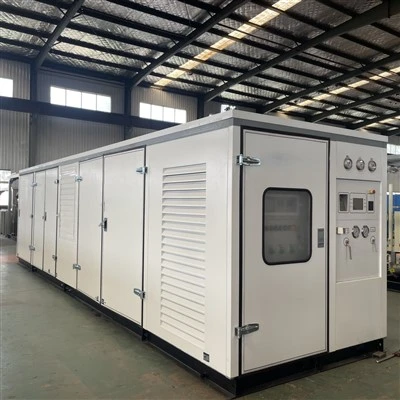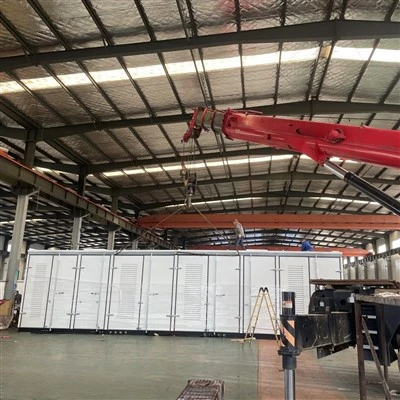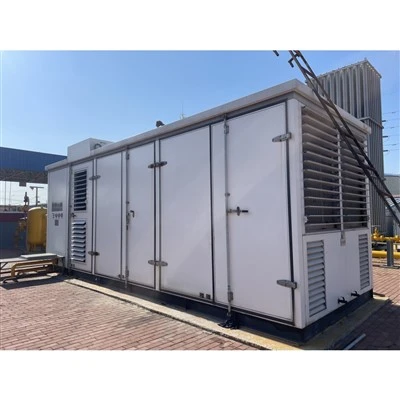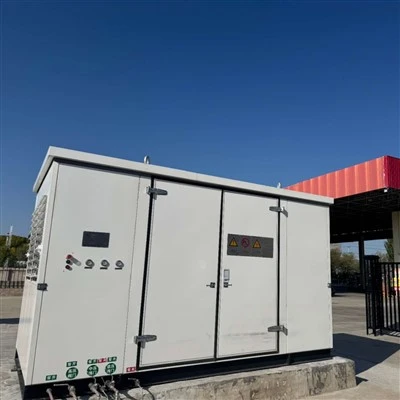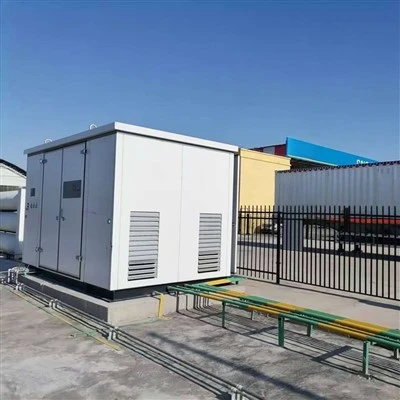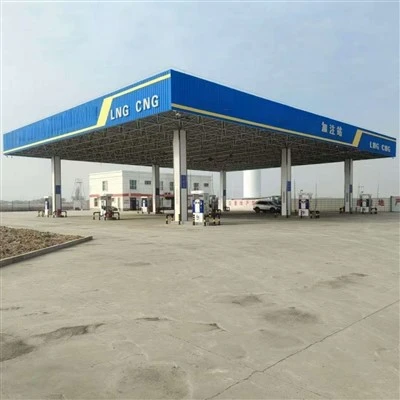

CNG sub-station compressors play a vital role in facilities such as natural gas refueling stations; their proper operation is critical to ensuring a stable gas supply. To guarantee optimal compressor performance and extend its service life, proper maintenance is indispensable. The following sections provide a detailed overview of key maintenance points for CNG sub-station compressors from various perspectives.
Daily Maintenance
Visual Inspection
Before starting the compressor each day, a thorough visual inspection of its exterior is required. Check all connecting bolts on the compressor body-paying particular attention to the bolts securing the compressor to its foundation, as well as the connections between various components-to ensure none are loose. Loose bolts can lead to increased component vibration during operation and may even result in damage to parts. Additionally, inspect the compressor body for any obvious signs of deformation, cracks, or other anomalies; if any issues are detected, they should be addressed or reported immediately.
Lubrication System Inspection
Lubrication is crucial for the proper functioning of the compressor. Check the lubricating oil level, ensuring it remains within the upper and lower limits specified on the oil level gauge. An oil level that is too low can result in inadequate lubrication of components, accelerating wear; conversely, an oil level that is too high can lead to issues such as elevated oil temperatures and increased power consumption. Also, observe the color and consistency of the lubricating oil; if the oil has darkened, appears emulsified, or contains visible impurities, it should be replaced immediately. Furthermore, periodically check the operation of the oil pump to ensure it is effectively delivering lubricating oil to all necessary lubrication points.
Intake System Inspection
Check the intake piping for any signs of leakage. This can be done by applying a solution such as soapy water; the appearance of bubbles indicates a leak point, which must be repaired promptly. Additionally, clean the intake filter. The intake filter serves to remove impurities from the natural gas; if it becomes clogged, it will restrict airflow and compromise the compressor's operational efficiency. Regularly clean or replace the filter element to ensure smooth and unobstructed airflow.
Periodic Maintenance
Maintenance After Specific Operating Intervals
After a certain period of operation (e.g., every 500 operating hours), the compressor requires more in-depth maintenance. First, check the tension of the compressor's drive belts. Belts that are too loose will result in reduced transmission efficiency and unstable compressor speeds; conversely, belts that are too tight will accelerate wear on both the belts and the pulleys. The tension of the drive belt can be checked by applying moderate pressure to it; adjust or replace the belt as necessary.
Secondly, inspect the compressor's cooling system. Check the cooling water lines for any blockages or leaks, and clean any dust or debris from the surface of the cooler to ensure efficient cooling performance. Since the compressor generates a significant amount of heat during operation, a malfunctioning cooling system can lead to overheating, thereby compromising the compressor's performance and service life.
Additionally, inspect the compressor's electrical system. Check the motor terminals for looseness, and examine the wiring for any signs of damage or aging to ensure the electrical system remains safe and reliable.
In-Depth Maintenance After Extended Operation
After a prolonged period of operation (e.g., every 2,000 operating hours), the compressor requires in-depth maintenance. At this stage-in addition to the maintenance tasks mentioned above-the compressor's valves must be inspected and serviced. The valves are critical components of the compressor, and their operational status directly impacts the unit's overall performance. Inspect the valves for proper sealing; if any leaks are detected, the valves must be lapped (refinished) or the entire valve assembly replaced. Concurrently, inspect components such as the piston and piston rings. Severely worn piston rings can lead to gas leakage, negatively affecting the compressor's discharge volume and pressure; replace them as necessary.
Furthermore, clean the compressor's crankcase to remove internal oil sludge and impurities, and replace the old lubricant with fresh oil. Finally, conduct a comprehensive diagnostic check of the compressor's control system to ensure that all control components are functioning accurately, thereby guaranteeing the compressor's normal operation and the effectiveness of its safety protection mechanisms.
Maintenance for Special Circumstances
Addressing Abnormal Vibration and Noise
If the compressor exhibits abnormal vibration or excessive noise during operation, shut it down immediately for inspection. Abnormal vibration may stem from issues such as an unstable foundation, loose components, or severe component wear. Check the compressor's anchor bolts for looseness and verify that all component connections are secure; tighten any loose parts. Components exhibiting severe wear must be replaced promptly. Excessive noise may be caused by valve malfunctions, friction between the piston and cylinder walls, or similar issues; conduct a detailed inspection and repair of the relevant components.
Post-Fault Maintenance
Following a compressor malfunction, once the specific fault has been repaired, it is essential to conduct a comprehensive inspection and maintenance check of the entire system. For instance, if the compressor shuts down due to the failure of a specific component, the associated systems must be commissioned and tested following the installation of the replacement part to ensure proper functionality. Concurrently, the overall performance of the compressor-including parameters such as discharge volume and discharge pressure-should be evaluated to verify that the unit has been fully restored to its normal operating state.
In summary, the maintenance and upkeep of CNG sub-station compressors constitute a systematic and continuous process. Through meticulous daily inspections, scheduled in-depth maintenance, and the prompt resolution of exceptional circumstances, the long-term, stable operation of the compressor can be ensured, thereby providing a reliable guarantee for the supply of natural gas. Operators must strictly adhere to established maintenance protocols to identify and resolve issues in a timely manner, thereby extending the service life of the compressor and reducing operating costs.