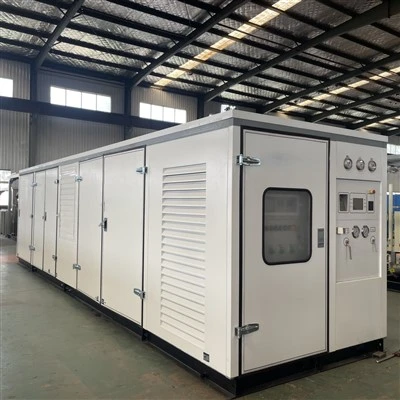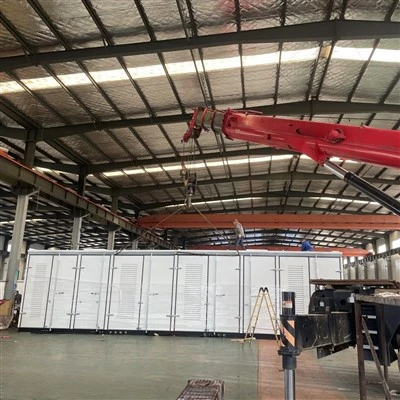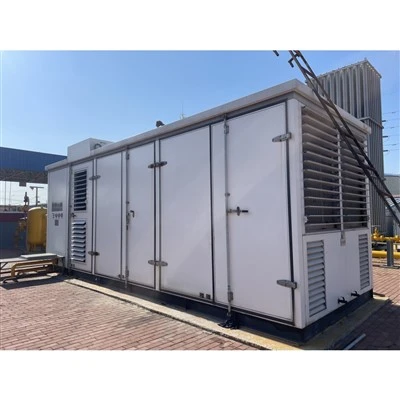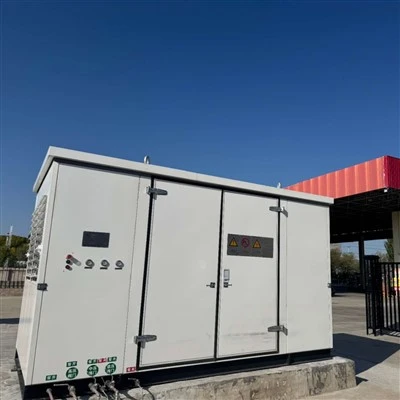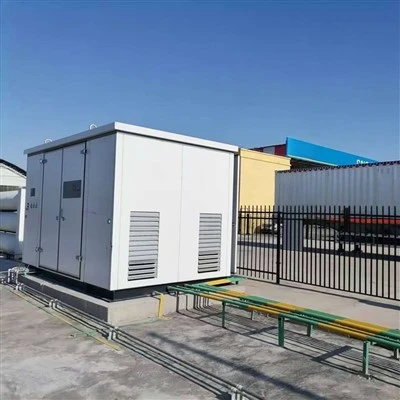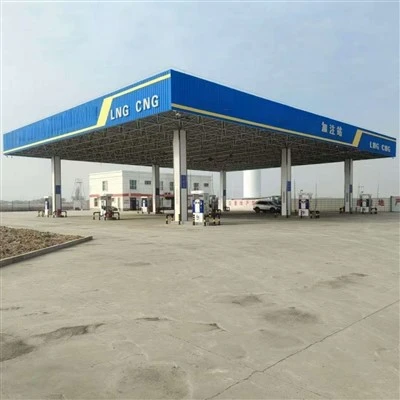

In China, there are primarily two operational models for CNG refueling stations: the "Mother-Daughter Station" model and the "Standard Station" (or Conventional Station) model. A CNG "Mother Station" is typically paired with multiple "Daughter Stations." The Mother Station is situated on the outskirts of a city, in close proximity to the natural gas source; according to relevant regulations, CNG Mother Stations should not be constructed within the city's built-up areas, and strictly must not be located in the city center. Conversely, Daughter Stations are generally built within the city proper to facilitate convenient vehicle refueling, or are established in the industrial zones of towns and townships lacking natural gas pipeline infrastructure, where they serve to supply natural gas as an energy source. The Mother Station utilizes compressors to pressurize and store natural gas, which is then transported via specialized vehicles-carrying CNG at a pressure of 20 MPa-to the Daughter Stations. The Daughter Stations then dispense the CNG fuel to vehicles. For Daughter Stations located in industrial zones, the process flow is briefly as follows: low- or medium-pressure natural gas passes through compressors to be boosted to 20–25 MPa; it is then compressed into specialized steel cylinders or tube bundles mounted on skid-based trailers equipped with towing mechanisms. Upon arrival at the Daughter Station, the trailers connect to a discharge column; the gas flows through a discharge system into the CNG pressure-regulating equipment. A pressure-reduction skid subsequently lowers the high-pressure natural gas to the specific pressure required by the end-user (typically 0.2–0.4 MPa) before it enters the distribution pipeline network for consumption.
The CNG Mother Station serves as a critical piece of urban gas infrastructure, providing compressed natural gas fuel to both CNG-powered vehicles and Daughter Stations. These facilities are typically constructed adjacent to natural gas city gate stations or transmission pipelines to ensure a reliable gas supply. Their primary functions encompass natural gas reception, pressure regulation and metering, purification and dehydration, pressurization and storage, and gas transfer. In China, CNG Mother Stations are predominantly planned for locations near major arterial roads on the urban periphery, adhering to siting principles that prioritize distance from residential areas and strict compliance with fire safety standards.