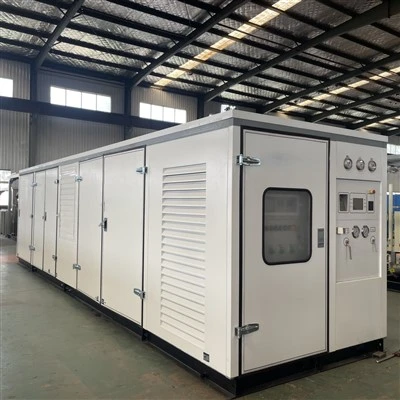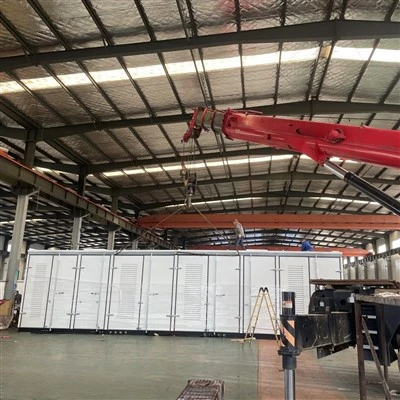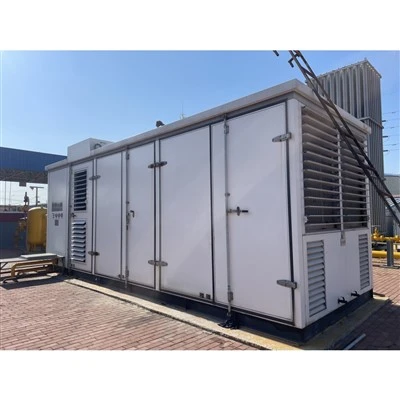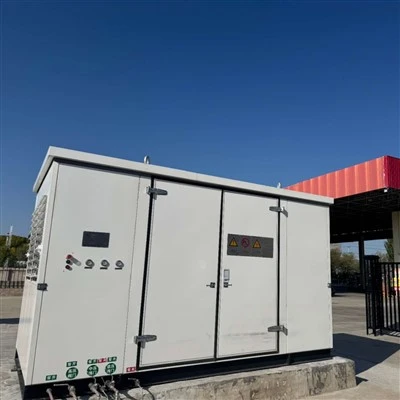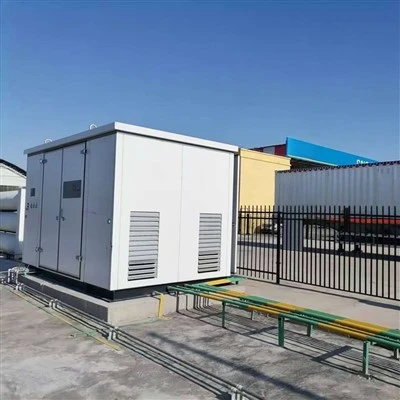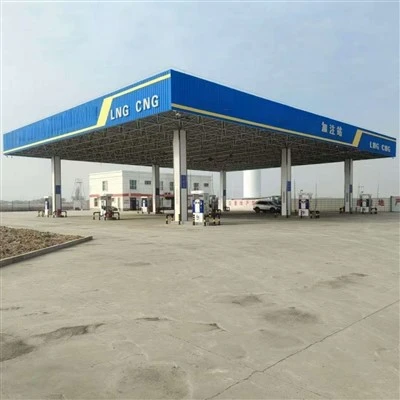

CNG sub-station compressors play a vital role in the transportation and distribution of natural gas. The proper operation of these compressors is critical for ensuring stable equipment performance, enhancing natural gas transmission efficiency, and guaranteeing safety. The following section details the key precautions to observe when operating CNG sub-station compressors.
Pre-Operation Preparations
Inspect Equipment Appearance: Before every compressor startup, conduct a comprehensive visual inspection of the equipment. Check the compressor body for any visible signs of damage or deformation, and verify that the bolts at connection points are not loose. Any loose bolts can lead to increased vibration during compressor operation and may even cause components to detach, thereby endangering both the equipment and personnel safety.
Inspect the Lubrication System: Lubrication is essential for the proper functioning of the compressor. Check that the lubricating oil level falls within the normal range and that the oil quality remains good. If the oil level is too low, friction between components will increase, leading to accelerated wear; conversely, if the oil quality has deteriorated, it will fail to provide effective lubrication and heat dissipation. Additionally, ensure that the grade of the lubricating oil matches the compressor's specific requirements, as different compressor models have varying performance specifications for lubricants.
Inspect the Cooling System: The cooling system effectively dissipates the heat generated during compressor operation. Check the cooling water lines for any leaks and verify that the cooling water pump is functioning correctly. Leaks in the cooling water lines can result in an insufficient supply of cooling water, thereby compromising cooling efficiency; a malfunction of the cooling water pump will prevent water circulation, causing the compressor's temperature to rise rapidly-a situation that could lead to severe equipment damage. Furthermore, monitor the water level in the cooling water tank to ensure an adequate supply of cooling water.
Inspect the Electrical System: The electrical system serves as the power source for compressor operation. Verify that the motor connections are secure and check for any signs of damage or short circuits. Also, ensure that the instruments, buttons, and other components within the control circuit are functioning properly. Loose motor connections can generate sparks during operation, potentially triggering electrical faults; conversely, malfunctions in instruments or control buttons can hinder the operator's ability to accurately monitor and control the equipment's operational status.
Precautions During Startup
Manual Rotation (Barring Over): Prior to starting the compressor, performing a manual rotation (or "barring over") is an essential step. By manually turning the compressor's pulley or coupling, you can check for any internal jamming or seizing within the compressor mechanism. Barring over the compressor allows for the early detection of abnormal friction or collision between internal components, thereby preventing equipment damage during startup. Typically, the compressor is barred over for 2 to 3 revolutions to ensure smooth rotation.
Jog Start: Once the barring-over process is complete, perform a jog start. Press the start button to briefly run the compressor, then immediately stop it. Observe whether the direction of rotation is correct and if the operating sounds of the various components are normal. If the rotation direction is incorrect, the compressor will fail to function properly and may even sustain damage; conversely, abnormal operating sounds may indicate a fault within the internal components. If the rotation direction is incorrect, the motor wiring should be adjusted immediately.
Smooth Startup: After confirming that the rotation direction is correct and the sounds are normal, proceed with a smooth startup. During the startup process, closely monitor the compressor's various parameters, such as pressure, temperature, and current. Upon startup, the compressor's pressure will gradually rise, and its temperature will also increase slightly; however, both should remain within their normal operating ranges. The current reflects the compressor's load status; if the current is excessively high, it may indicate an overload issue, in which case the unit should be shut down immediately for inspection.
Key Monitoring Points During Operation
Pressure Monitoring: During compressor operation, monitor the pressure at each stage in real time. The pressure at each stage should remain stable and fall within the specified range. If the pressure at any given stage becomes excessively high or low, it may compromise the compressor's normal operation. Excessively high pressure can lead to damage to equipment seals or pipe ruptures, while excessively low pressure will reduce the efficiency of natural gas transmission. Should any pressure anomalies be detected, promptly analyze the underlying causes and implement appropriate corrective measures.
Temperature Monitoring: Temperature is another critical parameter during compressor operation. Particular attention should be paid to monitoring the compressor's cylinder temperature, lubricating oil temperature, and cooling water temperature. Excessively high cylinder temperatures can exacerbate wear between the piston and the cylinder wall, potentially leading to "scoring" (cylinder damage); excessively high lubricating oil temperatures degrade the oil's performance, compromising its lubrication effectiveness; and excessively high cooling water temperatures reduce the cooling system's overall efficiency. Generally, the cylinder temperature should be maintained within a specific range, the lubricating oil temperature should not exceed its prescribed limit, and the cooling water temperature should be kept within an appropriate operating band.
Sound Monitoring: When operating normally, the compressor emits a steady and uniform sound. Operators must remain constantly alert to any changes in the compressor's operating sounds throughout the running process. If abnormal knocking, grinding, or similar sounds are heard, it may indicate that internal components within the compressor are damaged or loose. For instance, excessive clearance between the piston and the cylinder wall, or loose connecting rod bolts, can both lead to the occurrence of such abnormal noises. Upon detecting any abnormal sounds, operations should be halted immediately to inspect the unit and prevent the fault from escalating further.
Vibration Monitoring: Compressors naturally generate a certain level of vibration during operation; however, the amplitude of this vibration must remain within a normal, acceptable range. Excessive vibration can lead to damage of equipment components and may even compromise the overall stability of the unit. Regular inspections of the compressor's vibration levels are essential; if a sudden increase in vibration is detected, the underlying cause must be identified promptly. Potential causes include insecure mounting of the compressor, motor imbalance, or wear and tear on internal components.
Shutdown Procedures and Post-Shutdown Maintenance
Normal Shutdown: When a shutdown is required, the compressor's intake valve should first be closed gradually to allow the operational load to decrease incrementally. Subsequently, the "Stop" button should be pressed to halt the compressor's operation. Following the shutdown, the cooling water pump must be turned off, and the main power supply disconnected. Closing the intake valve prevents a sudden backflow of gas at the moment of shutdown, thereby avoiding mechanical shock to the compressor; turning off the cooling water pump prevents the continued circulation of cooling water, conserving energy; and disconnecting the power supply ensures that the equipment remains in a safe, de-energized state.
Emergency Shutdown: In the event of sudden emergencies-such as a severe equipment malfunction or a fire-the "Emergency Stop" button must be pressed immediately. Following an emergency shutdown, the intake valve must be closed and the power supply disconnected without delay, and appropriate emergency response measures must be implemented. For example, in the event of a fire, fire extinguishers should be used promptly to suppress the flames, and relevant departments or authorities should be notified.
Post-Shutdown Maintenance: Following a shutdown, necessary maintenance tasks must be performed on the compressor. First, the equipment should be cleaned to remove any dust or oil residue accumulated on the exterior surfaces. Next, a thorough inspection of the various components should be conducted-checking, for instance, for loose bolts or damaged seals. Any issues identified during this inspection must be addressed and resolved promptly. Additionally, the compressor should undergo periodic preventive maintenance-such as replacing the lubricating oil, filters, and other consumables-to extend the equipment's operational lifespan.
The operation of CNG sub-station compressors requires strict adherence to established operating procedures. From pre-operation preparations and precautions during the startup sequence to ongoing operational monitoring, and finally to shutdown procedures and subsequent maintenance, every single stage of the process is critically important. Only by effectively executing every stage of the process can the safe and stable operation of the compressor be ensured, thereby providing a robust guarantee for the transmission and distribution of natural gas.