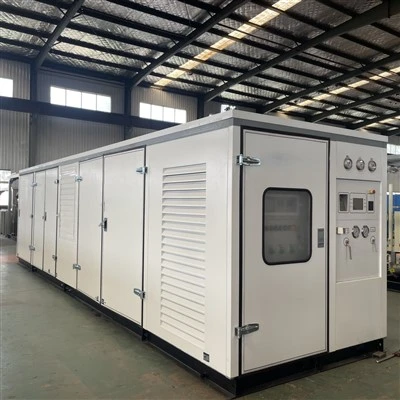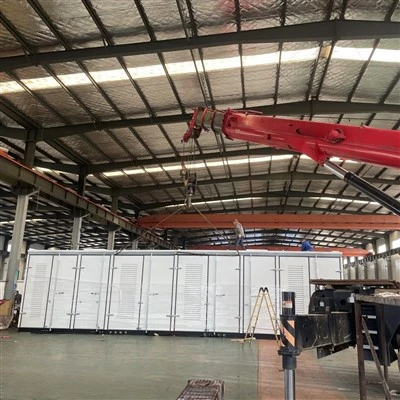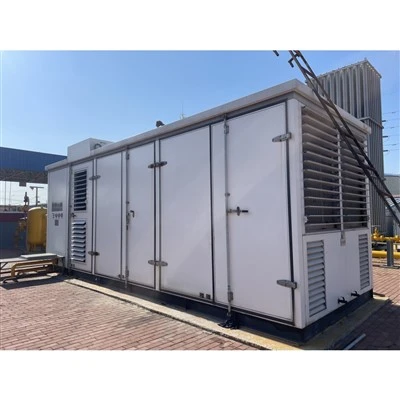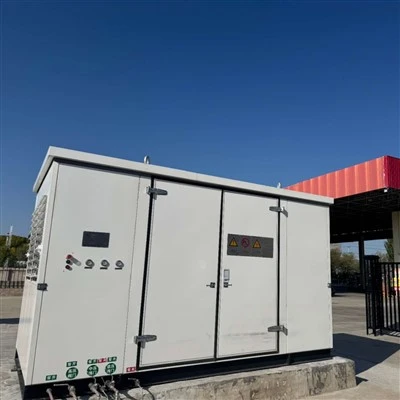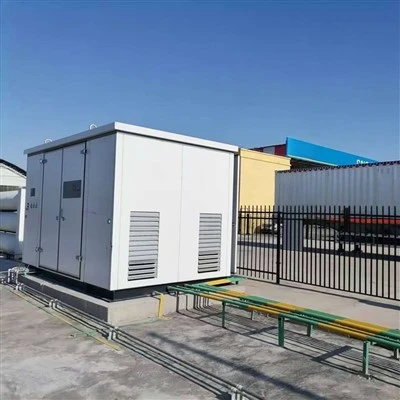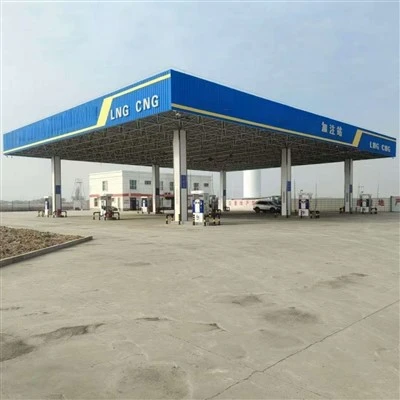

CNG standard stations possess several distinctive characteristics. Structurally, they occupy a relatively small footprint; this makes them particularly well-suited for regions with limited land resources, enabling their construction and operation within confined spaces.
From an equipment perspective, CNG standard stations are outfitted with specialized natural gas compression systems capable of boosting natural gas pressure from lower levels to approximately 25 MPa-a pressure level sufficient to meet the fueling requirements of vehicles and other applications. The technology underpinning this equipment is both mature and highly stable.
In terms of energy supply, these stations utilize compressed natural gas as their primary source. As a relatively clean form of energy, natural gas generates fewer pollutants upon combustion; this contributes to a reduction in environmental contamination and ensures compliance with environmental protection regulations.
Operational flexibility constitutes another key feature. These stations can function autonomously to refuel vehicles, or they can be integrated into a networked system alongside other fueling stations to form a comprehensive refueling grid, thereby enhancing service delivery to users.
Furthermore, their construction timeline is relatively short; compared to larger-scale energy supply facilities, they can be commissioned much more rapidly, allowing them to provide energy support to the market in a timely manner. Additionally, the capital investment required for CNG standard stations is comparatively low, which lowers the barrier to entry for enterprises seeking to enter this sector and facilitates the widespread adoption of natural gas in transportation and other fields.