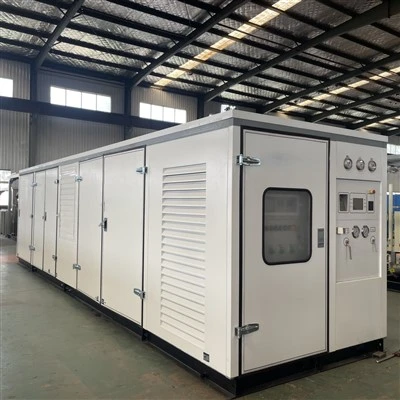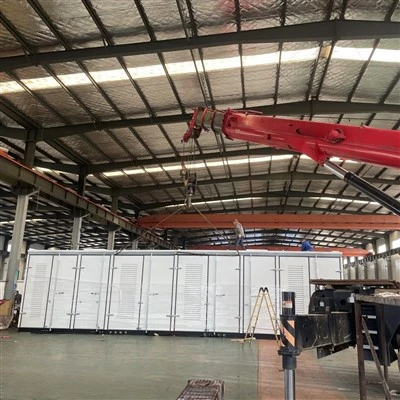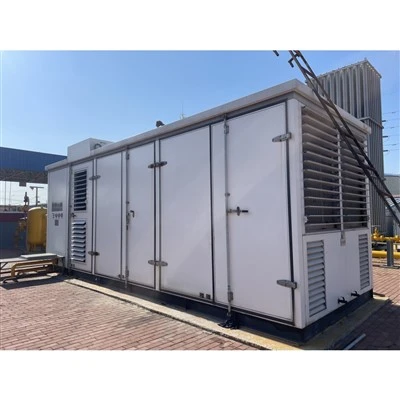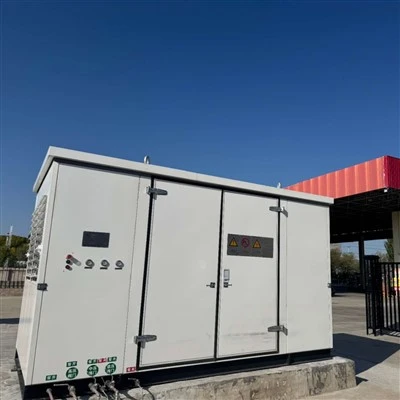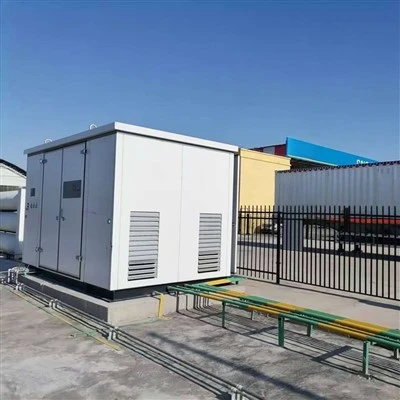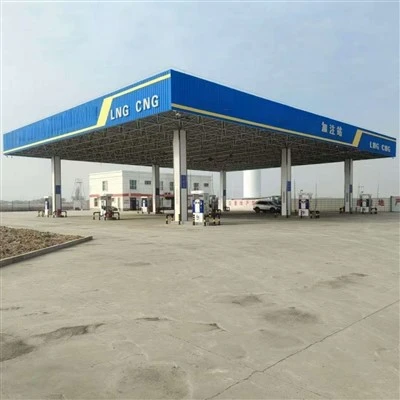

Natural Gas Pre-treatment System
The first stop for natural gas entering a booster station is the pre-treatment zone-much like an athlete's warm-up routine before taking the field:
Filtration and Separation: Multi-layer filters remove solid particulates, while separators extract liquid hydrocarbons and water.
Heating and Conditioning: Prevents pipeline blockages caused by hydrate formation at low temperatures.
Metering and Analysis: Real-time monitoring of gas composition and calorific value provides essential data for downstream processes.
Core Compression Unit
The compressor serves as the "heart" of the booster station; several common configuration schemes are worth noting:
Reciprocating Compressors: Suitable for small to medium flow rates (2,000–50,000 m³/h), capable of achieving pressure ratios up to 1:8.
Centrifugal Compressors: Ideal for large flow rates (exceeding 50,000 m³/h), featuring a single-stage pressure ratio of 1.2–1.5.
Hybrid Configurations: A mixed setup-combining a centrifugal compressor for the initial stage and a reciprocating compressor for the final stage-balances both efficiency and pressure requirements.
Safe Transmission and Distribution System
Once compressed, the natural gas must be "tamed" before entering the pipeline network:
Buffering and Flow Stabilization: Volumetric buffer tanks dampen pressure fluctuations.
Intelligent Control: A PLC system dynamically adjusts compressor speeds and valve openings in real time.
Emergency Protection: A three-tier safety interlock system (monitoring for overpressure, vibration, and temperature anomalies) ensures system reliability.