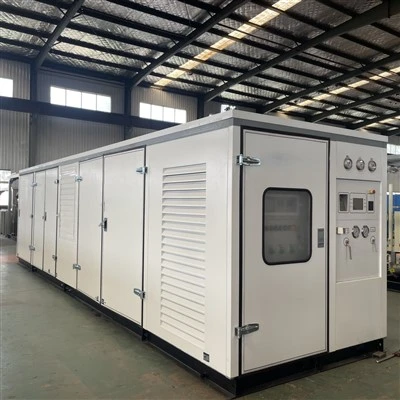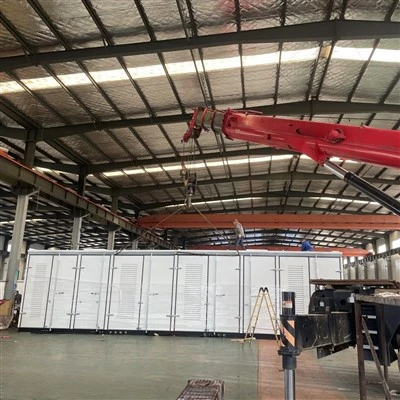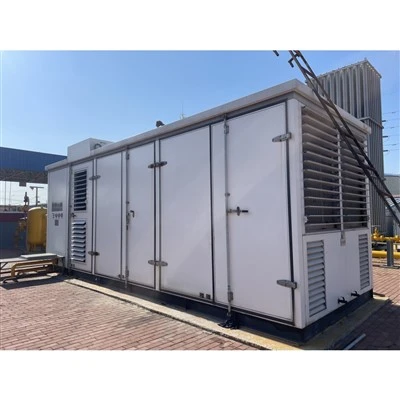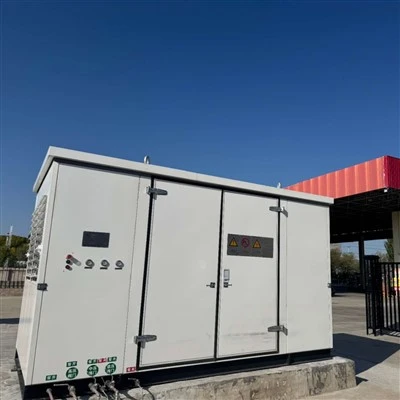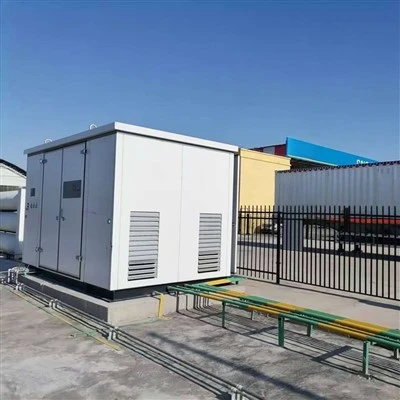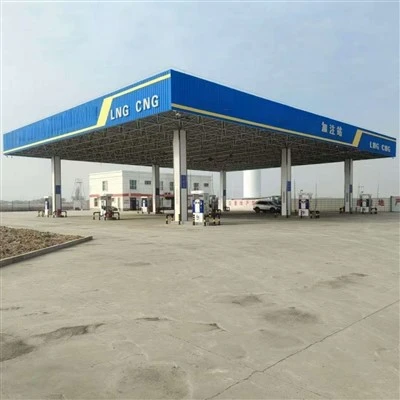

LNG refueling stations offer numerous significant advantages within the energy supply sector.
Superior Environmental Performance: Compared to traditional gasoline and diesel, LNG produces significantly lower pollutant emissions when used as a fuel. The primary component of natural gas is methane; its combustion byproducts consist mainly of carbon dioxide and water, generating virtually no sulfur dioxide, nitrogen oxides, or particulate matter. This contributes positively to improving air quality and mitigating environmental issues such as smog. Furthermore, carbon dioxide emissions are also relatively low, helping to alleviate the pressures associated with global warming.
Excellent Cost-Effectiveness: From an energy cost perspective, LNG prices are relatively low. Thanks to abundant natural gas reserves and increasingly mature extraction and production technologies, LNG maintains a competitive edge in terms of pricing. For vehicles utilizing LNG as fuel, this translates directly into reduced operating costs. Additionally, LNG-powered vehicles typically feature longer engine lifespans and lower maintenance expenses, further enhancing their overall economic efficiency.
Convenient Storage and Transport: As previously noted, LNG undergoes cryogenic processing to transform it into a liquid state, resulting in a drastic reduction in volume that facilitates both storage and transportation. Unlike gaseous natural gas, LNG can be transported over long distances via specialized tanker trucks or ships, unconstrained by the limitations of pipeline networks. This flexibility allows LNG to be supplied to diverse regions with greater agility, effectively meeting market demands.
High Safety Standards: LNG possesses a relatively high ignition point-approximately 650°C-which is significantly higher than that of gasoline or diesel. Consequently, the risk of fire or explosion during storage and usage is comparatively low. Moreover, LNG is less dense than air; in the event of a leak, it rapidly evaporates and disperses into the atmosphere, preventing it from accumulating to form hazardous pockets of combustible gas. Furthermore, the design and operation of LNG refueling stations strictly adhere to relevant safety standards and regulations, incorporating comprehensive safety monitoring and protection systems to ensure operational security.
Stable Energy Supply: As a vital energy resource, natural gas boasts abundant reserves on a global scale. Driven by continuous advancements in exploration and extraction technologies, the overall supply of natural gas continues to expand. The construction and operation of LNG refueling stations provide a stable and reliable energy supply for sectors such as transportation, thereby reducing reliance on traditional petroleum resources and bolstering national energy security capabilities.