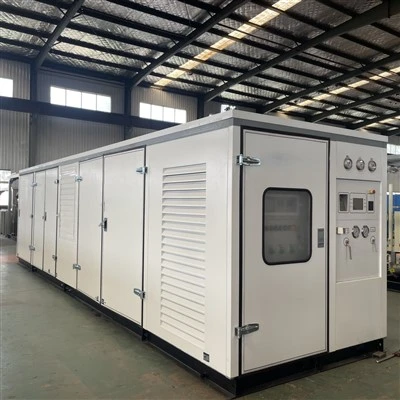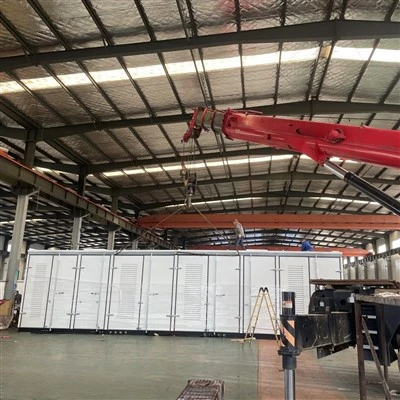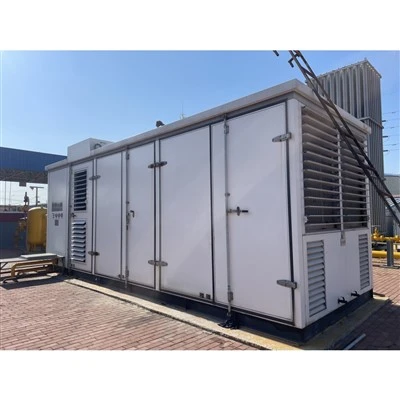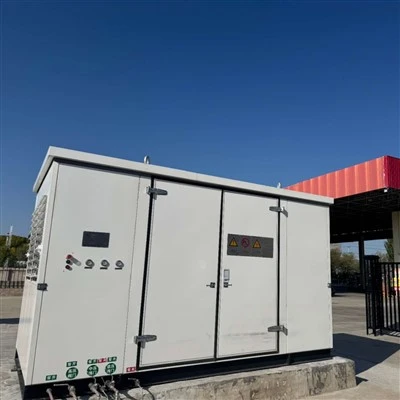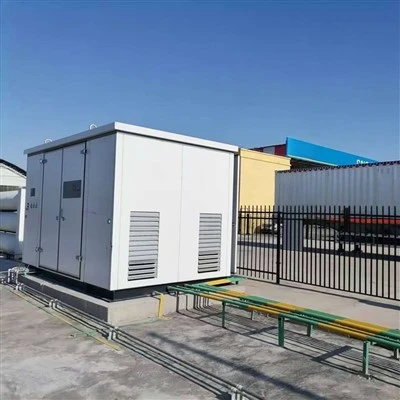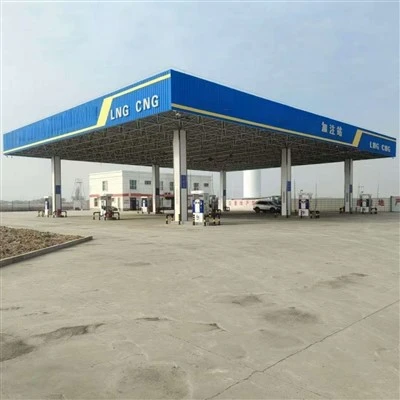

LNG fueling stations are facilities specifically designed to provide liquefied natural gas refueling services for LNG-powered vehicles-that is, vehicles that utilize liquefied natural gas as their fuel source. These stations typically cater primarily to large vehicles, such as long-distance LNG buses, semi-trailers, and heavy-duty trucks. For these vehicles, natural gas serves as an alternative fuel that offers distinct advantages over diesel, being both safer and more cost-effective.
However, LNG fueling stations are not suitable for all types of vehicles, particularly small passenger cars. Small cars typically run on CNG (Compressed Natural Gas), whereas Liquefied Natural Gas (LNG) requires conversion into gaseous natural gas via a vaporizer. This conversion process presents practical challenges for small cars due to their limited trunk space, and the installation of a vaporizer also entails certain safety risks. Consequently, it is generally not recommended for small cars to refuel at LNG stations.
Furthermore, the liquefied natural gas supplied at LNG stations requires specialized equipment to be converted into its gaseous state-a process that necessitates a relatively large vaporizer, which is difficult to accommodate within the confines of a small vehicle. Small vehicles are better suited to refuel at CNG stations or L-CNG stations, as these facilities are specifically dedicated to providing compressed natural gas refueling services for smaller automobiles.
In summary, LNG fueling stations are primarily intended to provide liquefied natural gas refueling services for large vehicles, whereas small passenger cars are better served by CNG stations or L-CNG stations.