
1. At ambient atmospheric pressure, LNG exists at an extremely low temperature: -162°C.
2. It possesses a very high gas-to-liquid volume ratio; if depressurization measures are inadequate, pressure will rise rapidly. The gas-to-liquid volume ratio of LNG is approximately 620:1.
3. When initial refueling volumes are small, natural vaporization can lead to a relatively high rate of gas loss.
4. For LNG vehicles operating within urban areas, the issue of unavoidable gas venting is inherent.
5. Natural gas is a flammable gas; therefore, production areas must display clear safety signage.
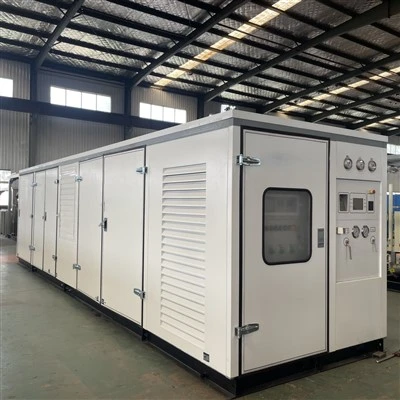
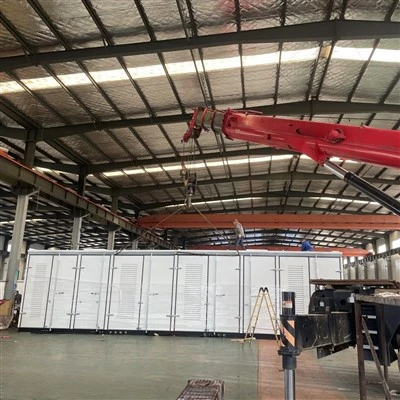
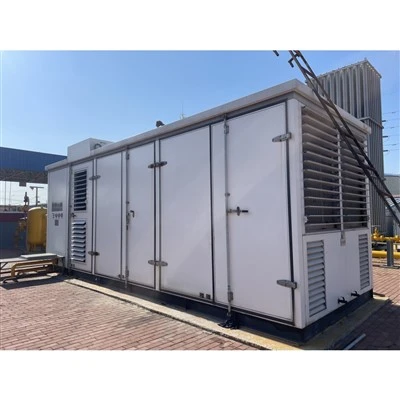
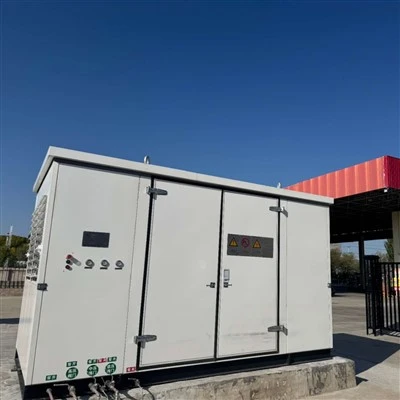
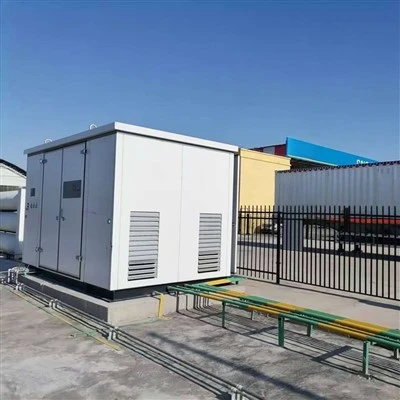
6. Skid-mounted LNG vehicle refueling stations must be deployed at designated fixed locations equipped with comprehensive safety measures; arbitrary relocation and use are strictly prohibited. Vacuum process pipelines must not be stepped upon.
7. During transport, strictly avoid any collision with the storage tank. The storage tank must maintain its required vacuum integrity.
8. Ensure that the area where the equipment is situated is well-ventilated.
9. When performing equipment maintenance or servicing, ensure that the system has been fully depressurized.
10. Keep the equipment away from flammable materials and sources of electrical sparks.
11. The electrical components and instrumentation must be protected from water ingress.
12. All electrical equipment must comply with the explosion-proof rating requirements applicable to hazardous areas.
13. Within areas containing LNG, the use of open flames or any unauthorized electrical and communication devices-such as mobile phones and radio transmitters-is strictly prohibited.
Precautions
LNG Pressurization
Pressurization is achieved directly using a cryogenic, high-pressure LNG plunger pump.
The cryogenic, high-pressure plunger pump requires a pre-cooling procedure prior to startup.
Pre-cooling
Open the pump's liquid inlet valve and gas return valve to allow LNG liquid to flow into and completely fill the pump head. The gas generated during this pre-cooling process is returned to the storage tank via the gas return pipeline. A temperature monitoring device is installed on the pump's gas return pipeline; once the temperature at the return port is detected to be below -100°C-and remains at that level for 5 minutes-the pre-cooling process may be considered complete.
Pump Startup
Open the pump's outlet vent valve to relieve any residual pressure at the pump outlet. Start the pump; once the pump begins operation, close the outlet vent valve. This entire sequence can be executed automatically by the PLC system. Listen to the pump to determine whether its operational sound is normal or if it is running dry; the sound of dry running is distinctly different from that of normal operation. If dry running is detected, open the vent valve on the pump's gas-phase port to purge the air. If the pump resumes normal operation after venting, the vent valve may be closed. However, if the pump fails to operate normally after 15 seconds of venting, immediately shut down the pump and perform a re-precooling procedure.
Caution
No single set of ambient air vaporizers should be operated continuously at full load for more than 8 hours. After 8 hours of operation, the system must be switched to an alternate set of vaporizers; the deactivated vaporizers may then undergo natural defrosting. (The PLC system is capable of performing this switch automatically.)
In regions with low ambient temperatures, a water-bath heater is installed downstream of the ambient air vaporizers. This heater serves to reheat the gas output from the vaporizers during cold weather, ensuring that the temperature of the gas entering the gas storage well remains at or above -5°C. The PLC system will automatically engage or disengage the water-bath heater based on the gas outlet temperature.
LNG Tank Pressurization
If the pressure within the LNG storage tank drops too low (≤ 0.2 MPa), the tank must be repressurized.