2026 CNG Station Industry Update: New Standards & Upgraded Operational Requirements
The global compressed natural gas (CNG) fueling sector is undergoing a key upgrade in 2026, driven by newly released mandatory industry standards, stricter safety regulations, and rising demand for low-carbon commercial fleet fuel solutions. As a cost-effective, eco-friendly alternative to traditional diesel, CNG continues to solidify its position in heavy-duty transportation, with standardized and systematic station operations becoming the core of industry development.
A landmark update for the industry is the official launch of the new mandatory national standard for vehicle-used compressed natural gas, which will be fully enforced in August 2027. The new standard raises comprehensive requirements for CNG gas quality, operational safety, and fair trade. It introduces clear specifications for methane value and gas interchangeability, mandating a minimum methane value of 65 for vehicle CNG. Stations are required to publicly display methane data if the index is below 70, effectively stabilizing engine operation for fleet vehicles and eliminating risks caused by inconsistent gas quality from different sources.
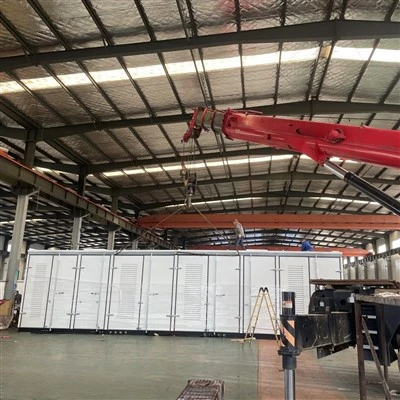
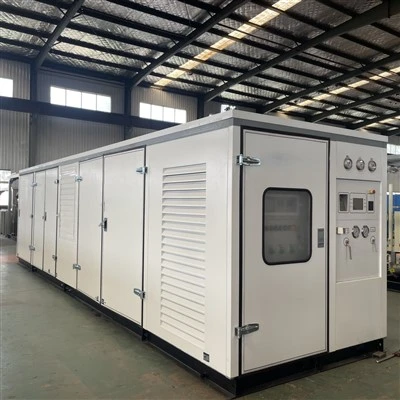
Beyond quality standardization, CNG station operation is shifting from simple fuel dispensing to full-process systematic management. Modern qualified CNG stations now cover a complete industrial chain, including natural gas supply, tube trailer transportation, high-pressure compression, intelligent pressure management, safe gas storage, and standardized vehicle dispensing. This integrated system greatly improves fueling stability and operational safety.
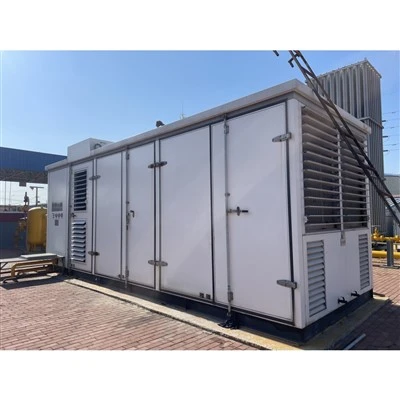
For remote areas and regions without pipeline infrastructure, CNG daughter stations have become a mature and reliable energy supply solution. Supported by professional tube trailer gas transportation and on-site pressure regulation systems, these flexible stations successfully deliver clean CNG fuel to off-grid regions, filling the gap in regional new energy fueling networks.
Globally, the CNG and renewable natural gas (RNG) fueling network is expanding steadily. Multiple regions are accelerating CNG station renovation and capacity expansion to meet the growing demand for low-carbon fleet transportation. Outdated stations with backward equipment and imperfect quality control systems are facing rectification and integration, further improving overall industry concentration and service standards.
Industry analysts point out that standardized operation, intelligent safety monitoring, and diversified supply modes will be the three major development directions of the CNG station industry in the next two years. For fleet operators and energy investors, compliant, high-quality CNG fueling infrastructure will become a key guarantee for long-term stable and low-cost green transportation operations.
Key Takeaways
- New 2026 CNG mandatory standards will take effect in 2027, upgrading gas quality and transparency rules
- Modern CNG stations evolve from single dispensers to full-chain energy supply systems
- CNG daughter stations solve fuel supply problems for non-pipeline areas
- Intelligent, standardized, and low-carbon development leads the future of the CNG industry

Lenado
Intelligent
Equipment
professional enterprise specializing in the R&D
- Welcome to the website of OUR Company
- Email: genkegasstation@163.com
- Global Service Hotline: +86 18661639777