
一. Business Model Transformation:
Transitioning from Standalone CNG Stations to Integrated Energy Stations (Gas, Oil, Electricity, Hydrogen, Solar, and Storage)
This represents the core and mainstream direction of transformation within the industry.
No new standalone CNG stations are being built.
Policies explicitly encourage the co-location of multiple energy sources. Leading enterprises-such as PetroChina, Sinopec, Kunlun Energy, and ENN-are adopting a unified "CNG + Refueling + High-Power Charging + Hydrogen Refueling" model for new sites. Existing CNG "mother stations" and standard stations are being retrofitted in phases with EV chargers, photovoltaic (PV) systems, and energy storage equipment; by sharing fire safety systems, central control facilities, land, and access roads, operators can effectively amortize fixed investment costs.
Approval processes and policy incentives favor integrated stations.
Many regions have established "green channels" for streamlined, joint approvals for integrated energy stations, with single stations combining gas, electricity, and hydrogen capabilities eligible for construction subsidies of up to 3 million RMB. Approval procedures regarding fire safety and land use have been simplified for retrofitting existing CNG stations with EV charging facilities.
Diversified profit structures help hedge against declining gas sales.
Revenue streams now extend beyond gas sales to include EV charging, hydrogen refueling, convenience stores, vehicle maintenance and washing, customized gas supply for fleets, and self-consumed solar power generation. The share of non-fuel revenue is gradually rising to between 15% and 40%, helping to mitigate the pressure caused by shrinking gas demand as taxis and public buses transition to electric power.

II. Operational Upgrades: Widespread Adoption of Intelligent, Unmanned, and Remote Digital Transformations Across All Sites
Digitalization is a critical necessity for reducing costs and ensuring safety at existing sites; its penetration rate will continue to rise rapidly.
1. Comprehensive PLC+SCADA Cloud Platform Coverage
Master stations and standard stations are deploying a unified "cloud-edge-device" integrated automation control system. This enables real-time monitoring of pressure, temperature, dew point, and compressor operating conditions, as well as AI-based combustible gas leak detection, ESD (Emergency Shutdown) capabilities, and automatic interlocking shutdowns for over-temperature or over-pressure events. These measures facilitate remote, unmanned operations, reducing on-site personnel by over 40%.
2. Self-Service Refueling and Online Digital Operations
Sites are widely adopting self-service dispensers, mini-program-based top-ups, fleet bulk settlement, dynamic pricing, and online maintenance requests. Supported by digital twin systems that simulate equipment operation and predict faults, unplanned compressor downtime is reduced by 70%.
3. Mandatory Implementation of Digital Safety Supervision
Equipment data, leak monitoring, and pressure vessel status from all sites are integrated into government gas regulatory platforms. Methane emissions, explosion-proof measures, and fire safety systems now feature real-time online traceability, gradually phasing out traditional manual inspection methods.
III. Market Landscape: Accelerated Industry Consolidation and Concentration Among Top Players; Rapid Exit of Small and Medium-Sized Private Sites
1. Rising Industry Concentration
Major operators-including PetroChina, Sinopec, Kunlun Energy, ENN, and China Resources-are actively acquiring inefficient, privately-owned CNG stations in county-level markets. The market share of the top ten enterprises is projected to exceed 55% by 2030. Meanwhile, the space for independent survival is shrinking for small and medium-sized operators due to weak bargaining power regarding gas sources, high costs for compliance-driven upgrades, and meager per-station profitability. 2. Tiered and differentiated station layout
◦ CNG Mother Stations: Focus on gas source hubs, leveraging pipeline gas and tube-trailer wholesale supply; strategically located in central and western provinces rich in gas resources.
◦ Urban Conventional Stations: Fully retrofitted into integrated energy stations serving short-haul logistics, sanitation vehicles, and ride-hailing fleets.
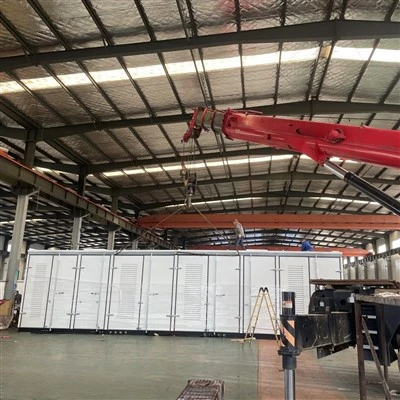
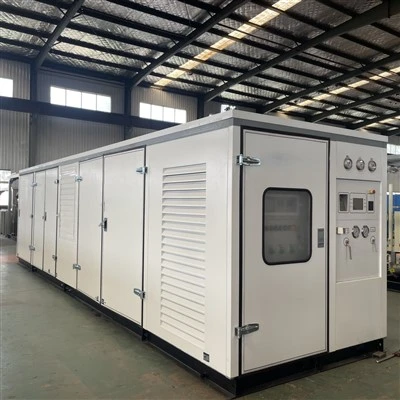
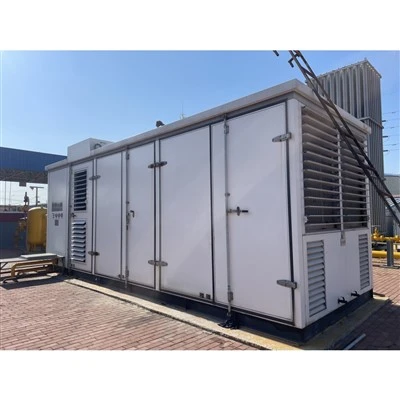
◦ Townships/Mining Areas/Construction Sites: Promotion of modular, skid-mounted CNG units-characterized by low investment and rapid construction-to fill gaps in pipeline coverage.
◦ Small-scale Satellite Stations: Facing shrinking traffic, many are being shut down or consolidated into dedicated refueling points within logistics parks.
IV. Equipment Technology: Comprehensive replacement of aging equipment with energy-efficient, low-carbon, and high-safety integrated systems
1. Energy-efficient compression systems as standard
Variable-frequency drive (VFD) control is now standard on four-stage reciprocating compressors, automatically adjusting power based on gas demand and reducing electricity consumption to 0.3–0.5 kWh per cubic meter of natural gas. High-end mother stations feature waste heat recovery units that capture heat from compression to generate hot water or steam for facility heating and equipment insulation, boosting overall energy efficiency by over 20%.
2. Standardization of eco-friendly equipment with deep dehydration and low leakage
Dual-tower molecular sieve dehydration units are mandatory, ensuring a stable atmospheric dew point of ≤-60°C and eliminating high-pressure ice blockages. Systems feature low-leakage seals across all piping and elevated flare systems for venting; daytime noise levels at the facility boundary are kept ≤60 dB, meeting stringent environmental emission standards.
3. Iterative upgrades to lightweight, high-pressure storage and transport equipment
Type IV composite high-pressure gas cylinders are gradually replacing traditional steel cylinders; underground gas storage wells are becoming the preferred storage solution for mother stations due to their smaller footprint and superior safety profile.
V. Low-carbon fuel: Renewable Natural Gas (RNG/Bio-CNG) opens a new growth avenue
As natural gas serves as a transitional clean energy source for transportation, low-carbon development remains a key long-term policy focus, with Bio-CNG representing a core driver of future growth. 1. Policy support for green gas refueling
Renewable natural gas-derived from the purification of biogas (from livestock farms), landfill gas, and food waste-can be directly blended into pipeline-fed CNG, allowing existing refueling station equipment to dispense the fuel without modification; many regions have also included bio-CNG in their carbon credit schemes and transportation emission-reduction subsidy programs.
2. Addition of bio-gas blending modules to mother stations
Large-scale CNG mother stations equipped with biogas purification and blending units can supply low-carbon bio-CNG to public transit, sanitation, and logistics fleets, helping enterprises meet carbon neutrality targets while creating a differentiated, profitable business line.
3. Long-term positioning: Low-carbon CNG offers irreplaceable advantages in heavy-duty, extreme-cold, and long-haul transport scenarios-areas where pure electric vehicles struggle to provide adequate coverage.
VI. Structural Divergence in Demand: Urban Passenger Transport Contracts While Demand Remains Rigid for Medium-to-Short-Haul Commercial Vehicles and County-Level Logistics
1.Sectors Facing Demand Contraction
The electrification rate for taxis and public buses in Tier 1 and Tier 2 cities has surpassed 70%, and the average daily refueling volume at urban CNG-only stations is declining year by year; these stations rely primarily on sanitation and municipal vehicles to maintain baseline throughput.
2.Sectors with Stable Demand Support
Significant numbers of CNG vehicles remain in use across central and western provinces rich in gas resources, as well as in county-level areas, mining zones, and for short-to-medium-haul freight, muck trucks, and buses in urban-rural regions. CNG fuel costs are 35%–50% lower than gasoline for the same mileage, maintaining economic viability for high-frequency operational fleets.
3.Clarification of Market Boundaries
Long-haul trunk-line logistics are increasingly being diverted to LNG and hydrogen-powered heavy-duty trucks; CNG is focusing on niche segments such as intra-city transport, short-haul county operations, and fleets serving fixed depots, acting as a complement to-rather than a total replacement for-electric and hydrogen energy solutions.
Summary of Overall Industry Development
1.Growth-driven logic has vanished, shifting the focus to optimizing the existing asset base: The total number of CNG stations nationwide is stabilizing, with no large-scale construction of new CNG-only stations; industry priorities have shifted to retrofitting, consolidation, and quality enhancement.
2.The single-fuel supply model is being phased out; transitioning into integrated energy hubs is the only viable path forward.
3.Digitalization and intelligent systems are essential for survival; unmanned operations and remote monitoring significantly reduce labor costs and safety risks.
4..The market is undergoing rapid consolidation, with large-scale, integrated energy enterprises dominating the industry; fragmented private stations are gradually exiting the market or affiliating with leading companies.
5..Low-carbon development is the long-term strategic theme; combining traditional fossil-based CNG with renewable biomethane reinforces natural gas's role as a transitional fuel in the low-carbon transformation of the transportation sector.